
What’s the difference between hard water and soft water?
Hard water and sift water are two very different types of water which vary across the country. How can you tell which one you have and what the differences are? Read on to learn more.
Hard water
As water flows towards your house, it picks up minerals. If these happen to be calcium and magnesium in high amounts, your water will become hard. The more of these hardness minerals are collected, the higher the water will rank on the water hardness scale.
Having hard water doesn’t affect you when being consumed. According to studies the extra minerals may be good for you. However, it can cause problems in your pipes and appliances as well as limescale.
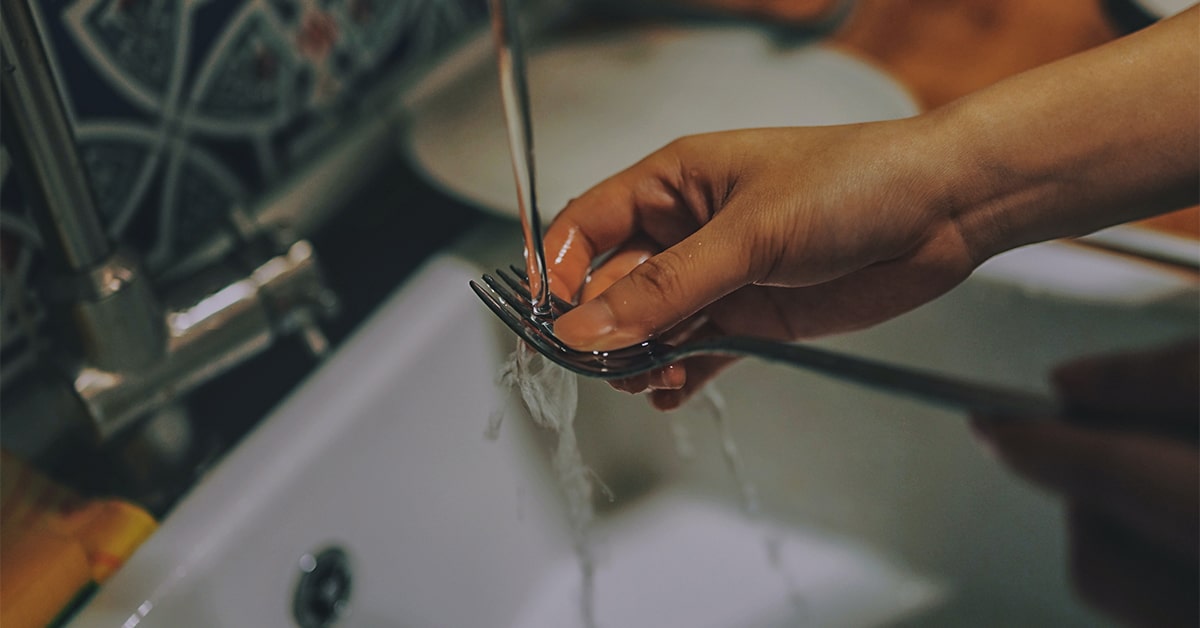
As it collects on showerheads and other surfaces, it can cause a build up of limescale. It can be left on silverware and plates too. This can lead to an annoying and unnecessary amount of time spent cleaning and money on products to deal with it.
It can also cause damage to pipes and appliances. The minerals deposited can cause clogs leading to the breakdown of the pipes and valves. Other water dependent appliances may have a shorter life due to hard water and its mineral deposits.
Soft water
Soft water is water without the harsh minerals of magnesium and calcium. These can be removed through water filtration and water softener systems.
It can prevent limescale build-up around your home, increase the effectiveness of soap and combat dryness all through the lack of the hardness minerals.
Water softeners counteract the effects of hard water and the issues it brings. These can be bought and installed considerably easily.
If you’re still unsure of what type of water you have, you can receive water tests from a range of companies to check and recommend a solution for you.